Want the occasional useful email?
New calculators, updated cost data, and the occasional money-saving guide. No account needed, and you can leave any time.
By Alex Diaz · How we calculate this
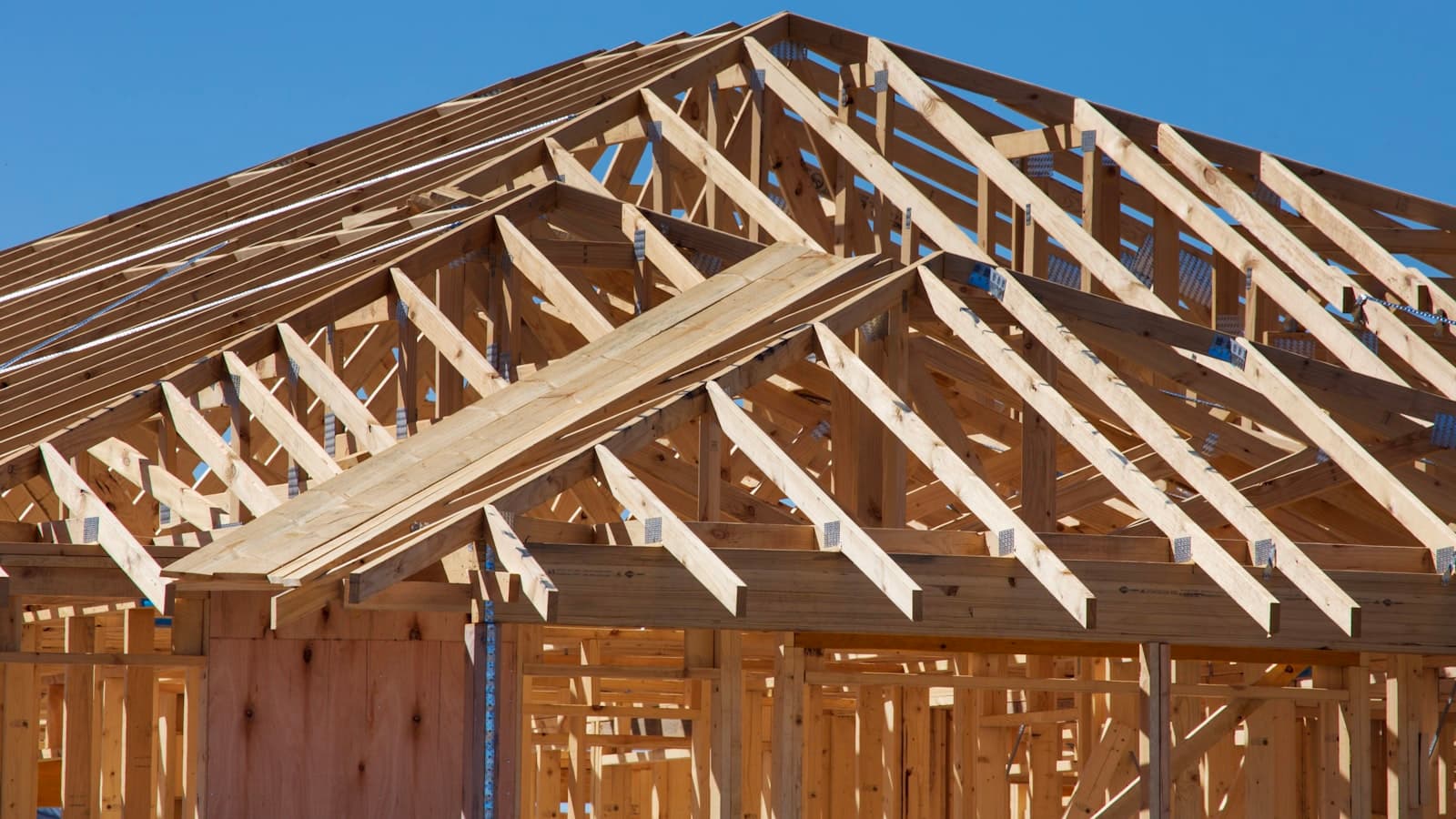
Scope decides the price tag here more than square footage alone does. A bump-out that extends an existing room a few feet costs a fraction of a full addition built with its own foundation, roofline, and utility tie-ins, and most quotes reflect that split before anything else about the project even comes into play. Since this is a one-time project rather than a monthly bill, the calculator checks the total against roughly three months of your budget instead of one month's income, treating it more like a stretch goal to plan toward than a bill due right away.
These key factors affect home addition costs
Why additions cost more per square foot than new construction
Square-foot pricing on an addition almost always comes in higher than building the same footage from scratch. A contractor has to match the existing roofline, tie into wiring and plumbing that's already there, and work around a structure instead of starting from a flat lot, and none of that shows up in a quick per-square-foot estimate pulled from a general contractor. It's also why what's left after your regular bills and debt matters more here than the price tag alone does; a $60,000 addition paid in cash and the same $60,000 financed over ten years behave very differently in your monthly budget even though the project is identical.
Scope: bump-out vs. full addition
The line between a bump-out and a full addition is really the line between the cheapest and most expensive versions of this project. Pushing a wall out a few feet to enlarge a kitchen or bathroom sits on one end. A new room with its own foundation, roofline, HVAC, and electrical runs sits on the other and can cost several times as much for the same square footage, so it's worth getting clear on which one you're actually pricing before comparing bids.
Permits and structural work
Additions almost always require a building permit, and depending on the municipality that approval alone can take anywhere from a few weeks to a few months. Tying the new structure into the existing foundation, roofline, and electrical or plumbing systems is where a lot of the real cost hides, since it's invisible from the outside. Adding conditioned square footage can also trigger a reassessment of your property taxes once the work is finished, which is a cost worth budgeting for beyond the construction bill itself.
Cash vs. financing
Large additions are often paid for with a home equity loan, a HELOC, a cash-out refinance, or a dedicated construction loan rather than straight cash. Each carries different rates, terms, and closing costs, so it's worth comparing the total interest you'd pay over time, not just the monthly payment, before deciding how to fund it.
How to use your results
Try pricing the actual project you're planning rather than a round number:
- Get a contractor quote for your specific scope rather than a generic per-square-foot estimate.
- Include permit fees, which some quotes leave out.
- Include your existing debt for a realistic picture of what's actually left to spend.
Ways to make a home addition more affordable
- Get quotes from multiple contractors, since bids for the same scope can vary substantially.
- Consider a smaller bump-out instead of a full addition if it meets the same need.
- Compare financing a home equity loan against paying from savings to see the real total cost.
- Pay down existing debt first so more of the budget goes to the project itself.
More home improvement calculators
Peer comparison data
Bureau of Labor Statistics (median income by age), Experian (credit score by age)
Used by the “how you compare” figures in the sidebar, not by the costs on this page.
Every figure on this site, with its source and the date it was last verified
How you compare
Income
Credit score
Nothing added yet - add something to see your risk.