Want the occasional useful email?
New calculators, updated cost data, and the occasional money-saving guide. No account needed, and you can leave any time.
By Alex Diaz · How we calculate this
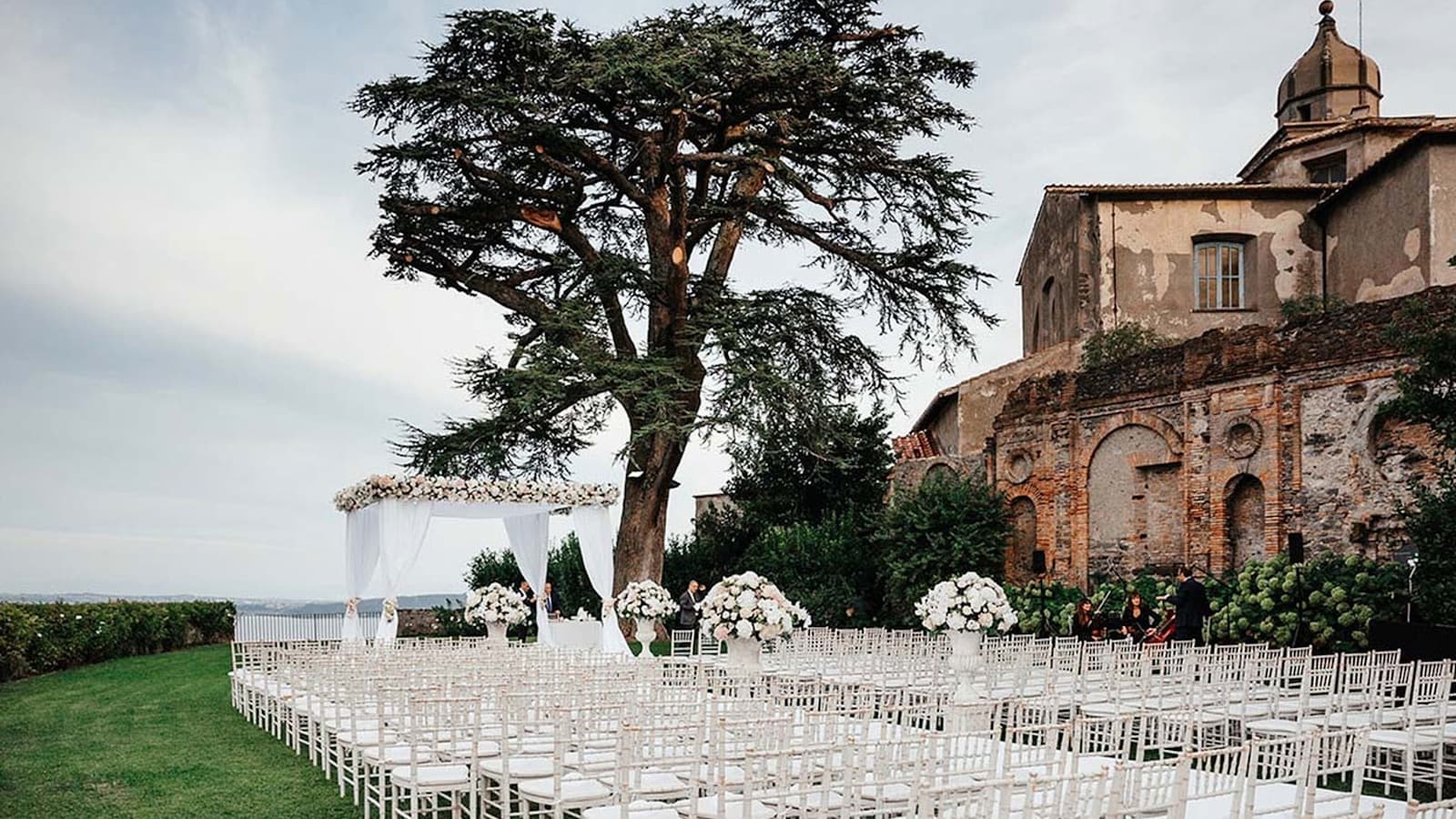
Wedding insurance splits into two different products wearing one name. Liability-only coverage, which protects against an injured guest or a damaged venue, runs as little as $75-$185. Add cancellation and postponement protection for things like vendor bankruptcy, venue damage, or bad weather, and premiums climb to roughly $200-$550. What it won't cover is either party simply changing their mind - cold feet isn't an insurable event, no matter how much is riding on the deposit.
These key factors affect wedding insurance affordability
Cancellation and postponement coverage vs. liability-only
Liability-only coverage is the cheap tier - it exists to protect against a guest injury or property damage at the venue, and runs $75-185. Layer on cancellation and postponement protection for vendor no-shows, weather, or a venue going bankrupt, and the price jumps to $200-550 depending on how much of the budget is being insured. For couples who've already put down a chunk of non-refundable deposits, that jump tends to be worth it, since venues and vendors almost never give the money back.
Total wedding cost being insured
Premiums track the size of what's being insured, so covering a $60,000 wedding costs meaningfully more than covering a $15,000 one - the insurer's potential payout scales with the number on the policy. Most couples insure their non-refundable deposits specifically, rather than the full budget, since that's the actual amount exposed if the wedding has to be called off.
Venue requirements
A lot of venues won't sign a contract until you've shown proof of liability coverage, often naming the venue itself as an additional insured. That turns the cheapest tier of wedding insurance into something closer to a mandatory line item than an optional add-on, regardless of whether you'd have bought it on your own.
How to use your results
- If the total feels high, start by checking whether your venue requires liability coverage specifically, since that's often the cheaper tier.
- Add up your non-refundable deposits before buying cancellation coverage, since that number should guide how much coverage to buy.
- Buy the policy as early as possible in your planning, since some cancellation reasons (like a named storm already forming) become ineligible once they're foreseeable.
Ways to make wedding insurance more affordable
- Buy liability-only coverage if your biggest concern is meeting a venue's insurance requirement rather than protecting a large deposit.
- Insure only your non-refundable deposits rather than your full wedding budget to keep the coverage amount, and the premium, lower.
- Compare quotes from at least two wedding insurance providers, since pricing for similar coverage can vary by a meaningful margin.
- Purchase the policy soon after paying your first deposits rather than waiting until closer to the date, since earlier purchase avoids exclusions for foreseeable events and sometimes costs less.
More big life events calculators
Peer comparison data
Bureau of Labor Statistics (median income by age), Experian (credit score by age)
Used by the “how you compare” figures in the sidebar, not by the costs on this page.
Every figure on this site, with its source and the date it was last verified
How you compare
Income
Credit score
Nothing added yet - add something to see your risk.