Want the occasional useful email?
New calculators, updated cost data, and the occasional money-saving guide. No account needed, and you can leave any time.
By Alex Diaz · How we calculate this
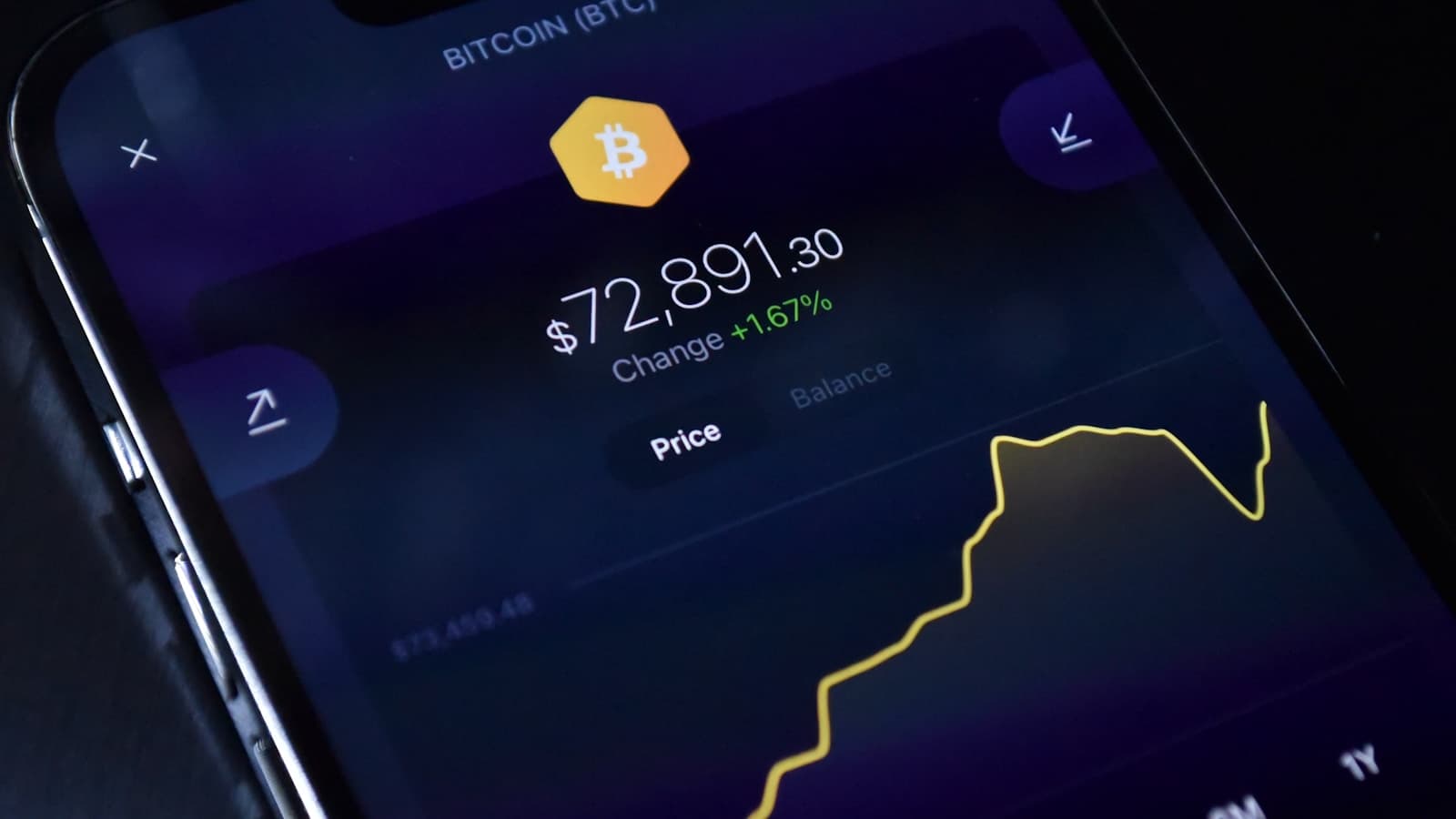
Bitcoin has fallen more than 70% from its all-time high on multiple occasions, including in 2018 and 2022, and each time it eventually went on to set a new high. That history cuts both ways: it's not a reason to assume a rebound is guaranteed, but it's also not a reason to assume a decline is permanent. This calculator treats a crypto purchase as a one-time expense, weighing the amount you enter against roughly three months of your budget rather than a single month's income.
These key factors affect crypto investment affordability
Volatility far beyond traditional markets
Bitcoin and other major cryptocurrencies have experienced drawdowns of 50-80% multiple times over the past decade, well beyond what a typical stock market downturn looks like. Part of the reason is structural: unlike a stock, there's no company earning revenue or generating cash flow underneath the price, so there's no fundamentals-based floor pulling it back up. Regulatory news, an exchange running into trouble, or just a shift in sentiment can move prices sharply on their own, with nothing else about the asset having actually changed.
Limited protection if something goes wrong
A bank account has FDIC insurance behind it. A brokerage account has SIPC coverage. Crypto held on an exchange has neither, which is exactly why customers lost holdings with limited recourse when FTX collapsed in 2022. Moving to self-custody sidesteps that particular risk, but it doesn't remove risk so much as relocate it: lose the private key and there's no customer service line that gets it back.
Sizing it as a speculative position
Given the volatility and the lack of protections, many financial professionals frame crypto as a small speculative slice of a portfolio, often cited around 1-5%, rather than a core holding, and only with money whose complete loss wouldn't change your plans. It's a different category of risk than a diversified index fund, and sizing it the same way tends to understate what's actually at stake.
How to use your results
- Only enter an amount you could fully lose without affecting your other financial goals
- Compare this to your other investments to see if it's a small slice or an outsized bet
- Check whether this money would be better used paying down debt or building emergency savings first
Ways to make investing in crypto more affordable
- Keep the position small relative to your overall savings and investments
- Avoid investing money you'll need within the next few years given how sharply prices can swing
- Use reputable, well-established exchanges and consider self-custody for larger holdings
- Spread purchases out over time instead of investing a lump sum at once
More career & life changes calculators
Peer comparison data
Bureau of Labor Statistics (median income by age), Experian (credit score by age)
Used by the “how you compare” figures in the sidebar, not by the costs on this page.
Every figure on this site, with its source and the date it was last verified
How you compare
Income
Credit score
Nothing added yet - add something to see your risk.