Want the occasional useful email?
New calculators, updated cost data, and the occasional money-saving guide. No account needed, and you can leave any time.
By Alex Diaz · How we calculate this
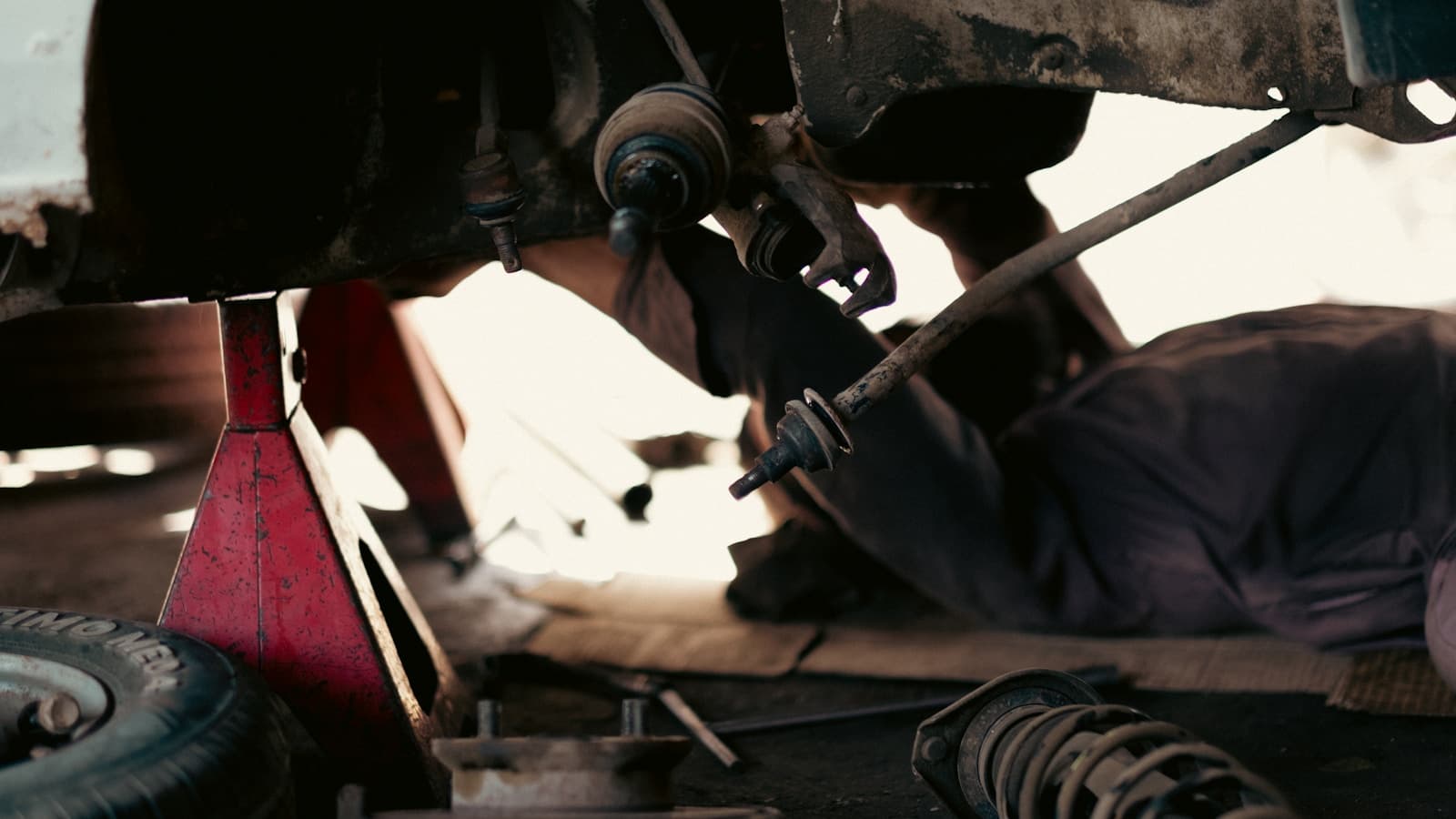
Most cars built in the last two decades already leave the factory with galvanized body panels and rust inhibitors baked into the process, which is a big part of why rustproofing isn't the near-mandatory add-on it was back in the 1980s. It still earns its keep in places that salt roads hard every winter, where the underbody and brake lines take a beating year after year regardless of how the car was built.
These key factors affect rustproofing affordability
Type of treatment
Dealer-applied undercoating is usually the priciest route, a one-time $200 to $600 job. Independent shops doing oil-spray treatments, Krown and Rust Check are the names you'll see most, charge less per visit, typically $100 to $180, but expect you back annually. Electronic rust-inhibitor modules skip the reapplication question entirely: pay $400 to $900 once and the module runs quietly for the life of the car, though mechanics are split on how well they actually perform.
Climate and road salt exposure
Where you park at night matters more than almost any other variable here. In the Rust Belt, the Northeast, and coastal towns where salt air corrodes metal nearly as fast as road salt does, the treatment genuinely slows frame and brake-line corrosion. Somewhere dry, like Arizona or inland California, the same treatment mostly buys peace of mind rather than measurable protection.
Reapplication schedule
Oil-based drip treatments only work if you keep coming back, typically once a year, so a $150 visit this year quietly becomes a recurring line in the maintenance budget rather than a done deal. Wax and asphalt-based undercoating trade that annual visit for a thicker layer meant to last the life of the car.
How to use your results
- If the cost fits comfortably within three months of savings without touching your emergency fund, it's a reasonable one-time expense.
- Factor in whether you'll need annual reapplication, which can turn this from a single purchase into a recurring cost in your vehicle budget.
- Weigh it against how many more years you plan to keep the car, since rustproofing matters most for vehicles you're keeping long-term in a salt-heavy climate.
Ways to make rustproofing more affordable
- Ask about bundling rustproofing with an oil change or seasonal service package, since many shops discount it when paired with routine maintenance.
- Choose a drip-oil treatment over dealer-applied undercoating, since independent shops often charge 30-50% less for comparable protection.
- Time it for early fall before winter road-salt season, when some shops run seasonal specials instead of paying full price in peak winter demand.
- Skip it if you live in a dry, low-salt climate, since the protection value is much lower there and the money is better spent on routine maintenance.
More vehicles calculators
Peer comparison data
Bureau of Labor Statistics (median income by age), Experian (credit score by age)
Used by the “how you compare” figures in the sidebar, not by the costs on this page.
Every figure on this site, with its source and the date it was last verified
How you compare
Income
Credit score
Nothing added yet - add something to see your risk.