Ongoing costs
Want the occasional useful email?
New calculators, updated cost data, and the occasional money-saving guide. No account needed, and you can leave any time.
By Alex Diaz · How we calculate this
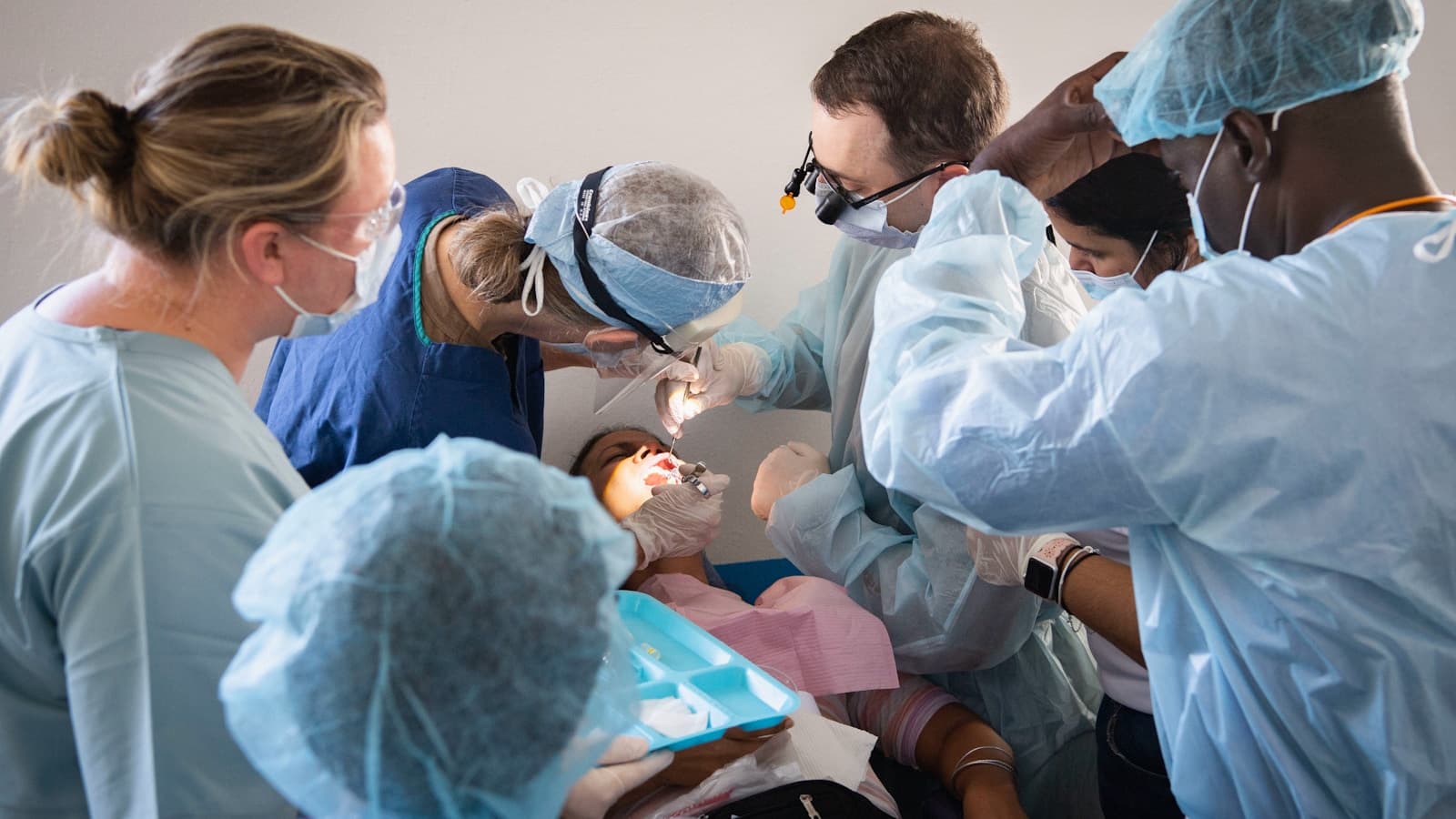
In-state public dental schools commonly charge $40,000 to $60,000 a year. Private schools often run $70,000 to $100,000. Multiply either by four years, add interest, and the gap between them can compound to well over $150,000 in total debt by graduation. Because dental school is an ongoing monthly cost rather than a one-time expense, this estimate weighs the monthly tuition amount you enter against your income and any existing debt, to show how much room it would leave in your budget over the course of the program.
These key factors affect dental school affordability
Public versus private tuition
In-state public dental schools commonly charge $40,000 to $60,000 a year, while private schools often charge $70,000 to $100,000, a gap that compounds to a $150,000 or larger difference in total debt over four years. There are only around 70 CODA-accredited dental schools in the entire country, and seats are competitive enough that plenty of qualified applicants end up paying out-of-state or private rates simply because their home state doesn't have room for them. If you have any real choice in where you enroll, that in-state public seat is worth fighting for.
Housing during a full clinical course load
Dental school doesn't leave much room for a side income. It's full-time from day one, and by third and fourth year you're in clinic seeing real patients most of the day, on top of studying. Plan the housing and living expenses line in this estimate around living on savings or loans for those years, not a part-time job filling the gap the way it might have during undergrad.
Instrument kits, boards, and total debt load
Add up the incidentals and they're not small: instrument kits and loupes alone can run several thousand dollars across the program, and that's before the National Board dental exam (now called the INBDE) and a regional or state clinical licensing exam, each with its own few-hundred-dollar fee.
Average debt for recent dental school graduates now often exceeds $300,000. The number that matters most against that debt is what's waiting on the other side: general dentists commonly start well over $170,000, so affordability here really comes down to how comfortably those loan payments fit against that income once you're practicing.
How to use your results
- If the monthly total shows as low risk, you're likely covering a meaningful share of costs without relying entirely on loans for the full four years.
- If it's borderline, compare in-state public options carefully, since the tuition gap to private schools is often the single biggest lever on total debt.
- If it's high risk, model your expected loan payments against general dentist starting salary in the specific region you plan to practice in, since income varies more by location in dentistry than in many other health fields.
Ways to make dental school more affordable
- Apply broadly to in-state public dental schools, since the tuition difference versus private schools can total well over $100,000 across four years.
- Look into military dental corps scholarship programs (HPSP), which cover tuition and a stipend in exchange for a service commitment after graduation.
- Buy instrument kits and loupes used from graduating students, since many programs have informal resale channels for this exact purpose.
- Consider income-driven repayment and loan forgiveness programs for dentists who practice in underserved or rural areas, which can substantially reduce the effective cost of the degree.
More family & kids calculators
Peer comparison data
Bureau of Labor Statistics (median income by age), Experian (credit score by age)
Used by the “how you compare” figures in the sidebar, not by the costs on this page.
Every figure on this site, with its source and the date it was last verified
How you compare
Income
Credit score
Nothing added yet - add something to see your risk.