Want the occasional useful email?
New calculators, updated cost data, and the occasional money-saving guide. No account needed, and you can leave any time.
By Alex Diaz · How we calculate this
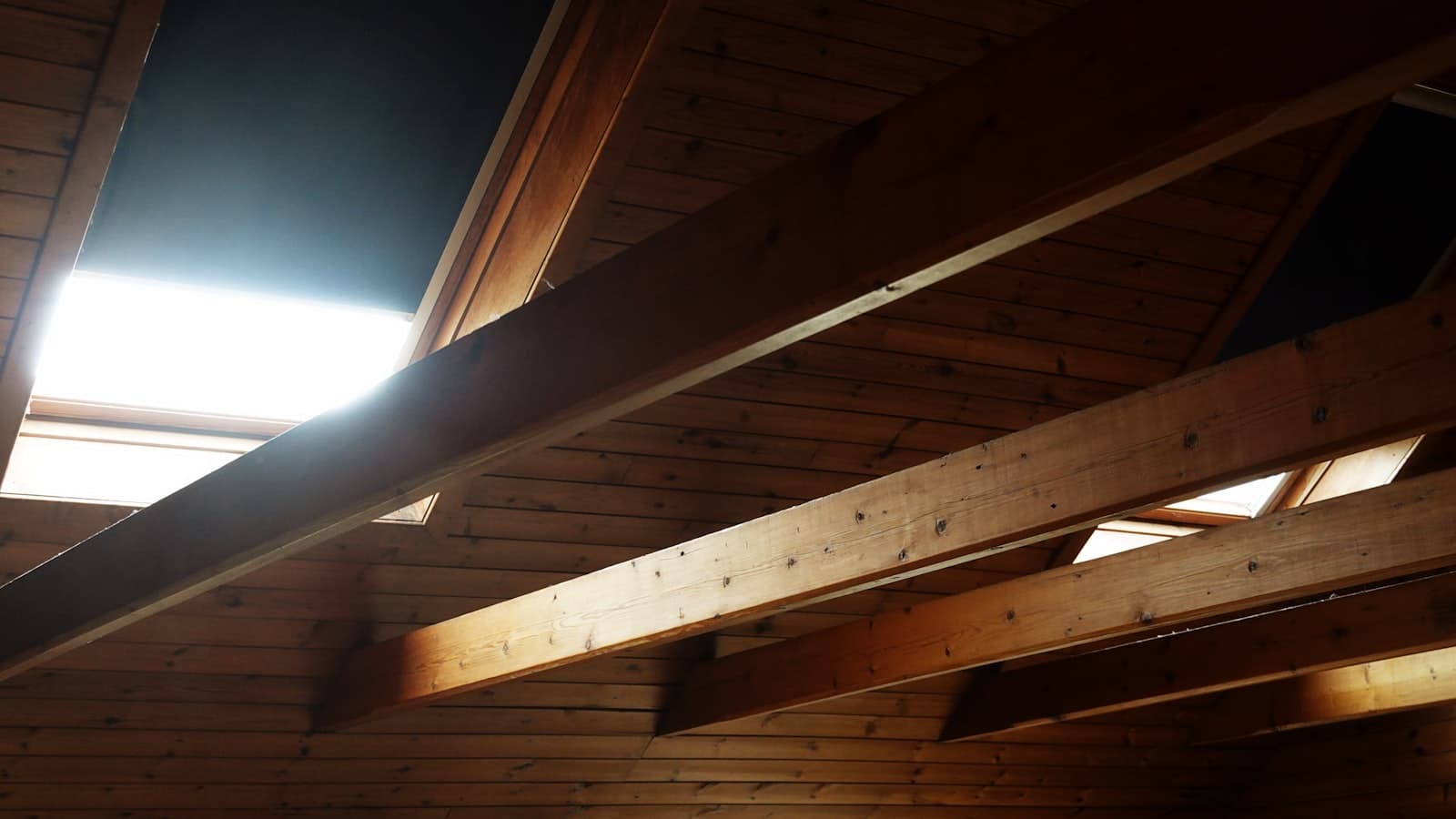
The attic is typically where a home loses the most heat, which is why the U.S. Department of Energy lists attic insulation among the highest-return efficiency upgrades a homeowner can make. This is a one-time cost, so the estimate weighs the total against roughly three months of your budget rather than a single month's income.
These key factors affect attic insulation costs
Income and expenses
Attic insulation is one of the few projects here that's meant to pay some of itself back through lower energy bills, so it's worth judging the upfront cost with that in mind rather than as pure spending. Even so, the same rule applies as anywhere else: what's left after your regular bills and debt determines whether the cost is comfortable now, regardless of how the savings play out later.
Insulation type
Blown-in cellulose or fiberglass costs less than spray foam, which creates a tighter air seal but at a real premium. The Department of Energy's recommended attic R-value runs from around R-30 in warmer climates up to R-60 in the coldest ones, so how much insulation you actually need, and therefore how much material and labor you're buying, depends a lot on where you live.
Existing insulation and removal
Old insulation that's damaged, compressed, wet, or has pest droppings in it usually needs to come out before new material goes in, and that removal step adds cost. Skipping it to save money is a common way to end up with a new installation that never performs the way the R-value on the bag suggests it should.
Energy savings and rebates
Better attic insulation typically pays back part of its cost through lower heating and cooling bills over time, though how much depends on your climate and how poorly insulated the attic was to start with. Utility rebates and tax credits for efficiency upgrades are common enough that it's worth checking for them before assuming the full cost comes out of pocket.
How to use your results
- Get quotes for both insulation types to compare upfront cost against long-term savings.
- Check for utility rebates or tax credits on efficiency upgrades before finalizing your budget.
Ways to make attic insulation more affordable
- Check for utility rebates or tax credits, which can meaningfully offset the cost.
- Choose blown-in insulation over spray foam if the budget is tight and it fits your attic.
- Get quotes from multiple contractors, since pricing for the same scope can vary.
More home improvement calculators
Peer comparison data
Bureau of Labor Statistics (median income by age), Experian (credit score by age)
Used by the “how you compare” figures in the sidebar, not by the costs on this page.
Every figure on this site, with its source and the date it was last verified
How you compare
Income
Credit score
Nothing added yet - add something to see your risk.