≈ $2,250 down
Taxes & fees
Ongoing vehicle costs
Estimated total
$280/mo
Want the occasional useful email?
New calculators, updated cost data, and the occasional money-saving guide. No account needed, and you can leave any time.
By Alex Diaz · How we calculate this
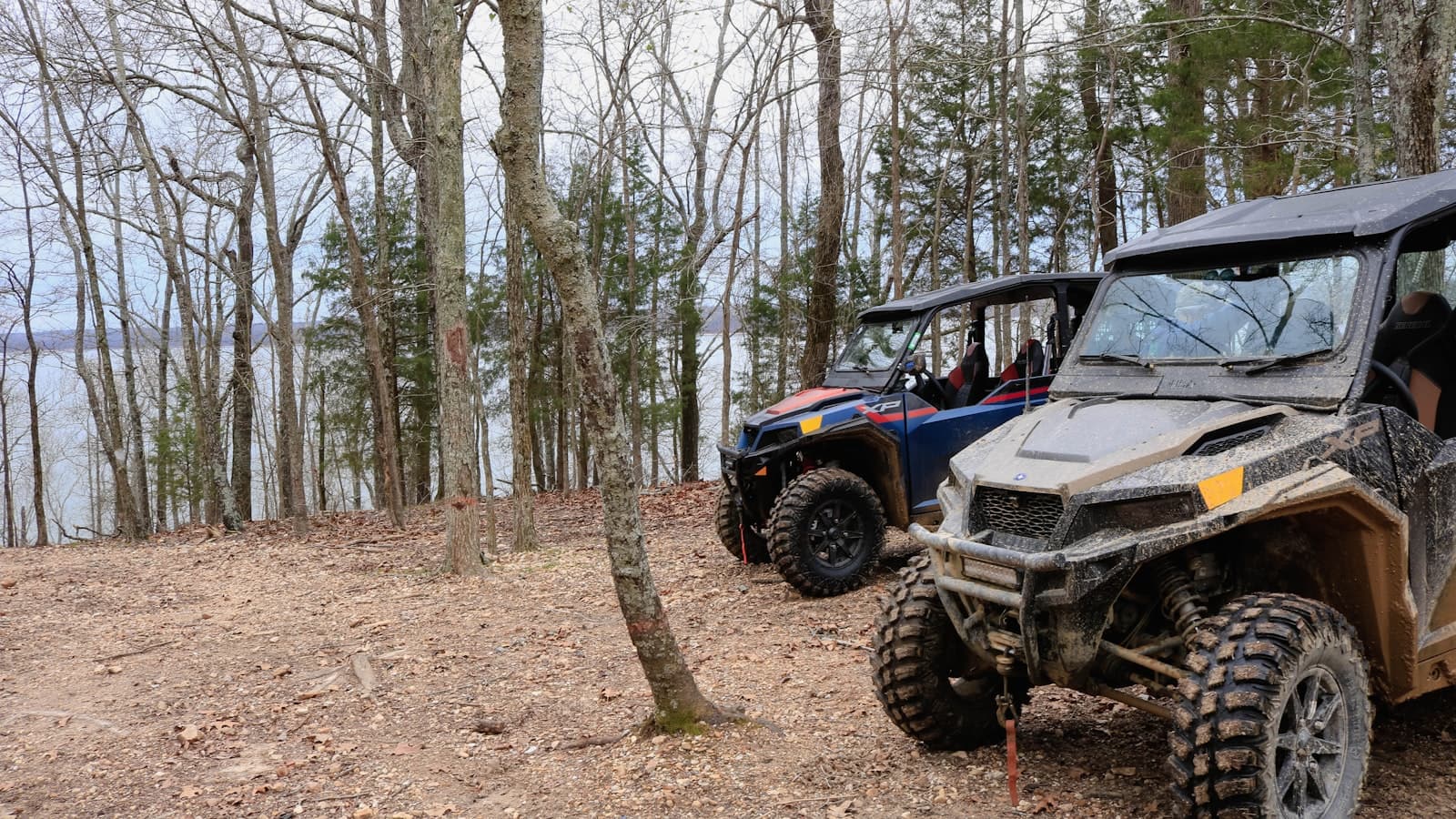
Powersports lenders underwrite UTV loans much like auto loans, pricing the rate off your credit tier, and add-ons like a winch, enclosure, or trailer are typically sold separately from the base machine's price. This calculator works out a monthly payment from the price, down payment, rate, and term you enter, then weighs it against your income to gauge how risky the purchase would be.
These key factors affect UTV affordability
Income and expenses
A UTV payment has to fit alongside whatever else you're financing, whether that's a truck, a trailer to haul it, or property-related debt if it's replacing farm equipment. We weigh the payment against your income together with any other debt you've logged, rather than looking at the number by itself.
Credit score
Rates on a UTV loan are tied to your credit tier whether you finance through a credit union or the manufacturer's own captive lender, and a lower score means a higher rate regardless of which route you take.
Use case: work vs. recreation
A UTV used for farm or property work is often easier to justify against ongoing labor savings, while a purely recreational one is worth weighing against how often you'll actually use it before committing to the payment.
Down payment and loan term
A bigger down payment reduces the loan amount and softens the early depreciation hit, while a longer term lowers the payment but means carrying that depreciation gap for more years.
Insurance, storage, and accessories
Insurance, a trailer or storage space, and accessories like a winch or enclosure add real cost beyond the sticker price. Many states also title UTVs as off-highway vehicles rather than street-legal ones, which means a separate OHV registration or trail decal instead of a standard plate, and in some states equipping one for road use (mirrors, turn signals, DOT-rated tires) is required before it can be driven on public roads at all, so it's worth checking your state's rules before assuming how and where you can actually use it.
How to use your results
Try adjusting the inputs to see what actually moves your risk score:
- Down payment - a bigger down payment shrinks the loan and helps offset early depreciation.
- Loan term - compare a shorter term's higher payment against a longer term's lower one.
- Existing debt - add what you're already carrying for a more realistic picture.
Ways to increase how much UTV you can afford
- Pay down existing debt before taking on a UTV loan.
- Shop your loan across a few lenders, since powersports loan rates vary by lender.
- Consider a used machine instead of new to reduce the loan amount and slow depreciation.
- Price only the accessories you actually need rather than a fully loaded setup.
More vehicles calculators
Sources
credit union rate surveys (typical powersport/RV/boat loan rate), Tax Foundation / Avalara (state vehicle sales tax rates), Policygenius (national average vehicle sales tax), CarEdge (average dealer documentation fee), GeoNames (ZIP code/city lookup)
Starting points to compare against, not real-time quotes.
Peer comparison data
Bureau of Labor Statistics (median income by age), Experian (credit score by age)
Used by the “how you compare” figures in the sidebar, not by the costs on this page.
Every figure on this site, with its source and the date it was last verified
How you compare
Income
Credit score
Nothing added yet - add something to see your risk.