Want the occasional useful email?
New calculators, updated cost data, and the occasional money-saving guide. No account needed, and you can leave any time.
By Alex Diaz · How we calculate this
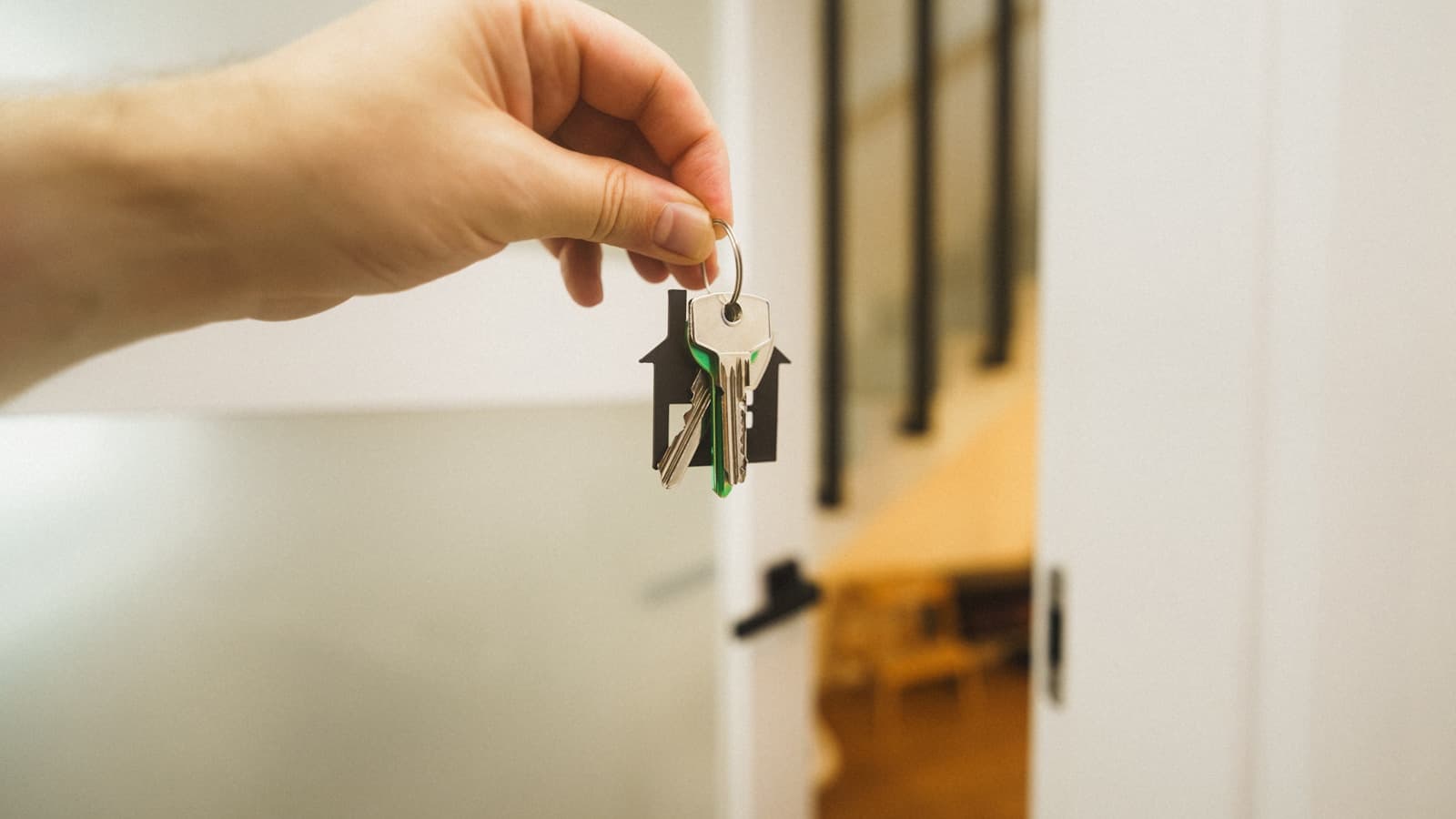
Most rent-to-own home agreements ask for an option fee upfront, often 1% to 5% of the purchase price, that locks in your right to buy later but is rarely refunded if you walk away. On top of that, a slice of the monthly rent above market rate gets set aside as a credit toward the eventual purchase, and that credit disappears too if the deal falls through before closing.
These key factors affect rent-to-own agreement affordability
Total cost versus retail price
Add up the option fee, the rent premium credited toward the purchase, and the purchase price itself, and a rent-to-own home often ends up costing more than buying the same house outright with a standard mortgage from day one. The premium built into the rent, commonly $100 to $250 above what the unit would rent for on its own, only becomes yours if you actually close on the purchase. Walk away, or get evicted over a late payment, and that money is gone along with the option fee.
Payment structure and terms
These agreements typically run one to three years, with the purchase price locked in at whatever was agreed the day you signed, not the home's value when the option comes due. If the market rises in the meantime, that works in your favor. If it falls, you're contractually on the hook to pay above what the house is actually worth, with no built-in way out of that number.
Early purchase options
Because the purchase price is fixed at signing rather than at closing, there's no renegotiating it down later even if comparable homes nearby have sold for less in the meantime. Some agreements do build in a right to walk away and simply forfeit the option fee instead of buying, which works less like an early exit and more like a way to cap the loss once the numbers stop making sense.
Fees beyond the base payment
Beyond the option fee and the rent premium, many agreements still make the tenant responsible for maintenance, repairs, and sometimes property taxes or insurance that an ordinary renter would never see on a standard lease. The arrangement is built to feel like ownership well before the title actually changes hands, and the bills tend to follow that logic too.
How to use your results
- Calculate the total cost over the full agreement term, not just the monthly payment, since rent-to-own often totals two to three times retail price.
- Ask about the early buyout option before signing, since paying off the balance early can meaningfully reduce total cost.
- Add mandatory fees like delivery and damage waivers to your monthly total, since these aren't always included in the advertised rate.
- Recheck whether a traditional loan or a lower-cost financing option is available before defaulting to a rent-to-own agreement.
Ways to make a rent-to-own agreement more affordable
- Compare the total rent-to-own cost against buying the item outright or with a personal loan, which is almost always cheaper.
- Save for a partial down payment or the item's retail price instead, avoiding the rent-to-own markup entirely.
- Negotiate an early buyout clause into the agreement to give yourself an exit that lowers the total cost.
- Choose a shorter payment term if offered, since longer terms typically increase the total amount paid.
More everyday services calculators
Peer comparison data
Bureau of Labor Statistics (median income by age), Experian (credit score by age)
Used by the “how you compare” figures in the sidebar, not by the costs on this page.
Every figure on this site, with its source and the date it was last verified
How you compare
Income
Credit score
Nothing added yet - add something to see your risk.