Want the occasional useful email?
New calculators, updated cost data, and the occasional money-saving guide. No account needed, and you can leave any time.
By Alex Diaz · How we calculate this
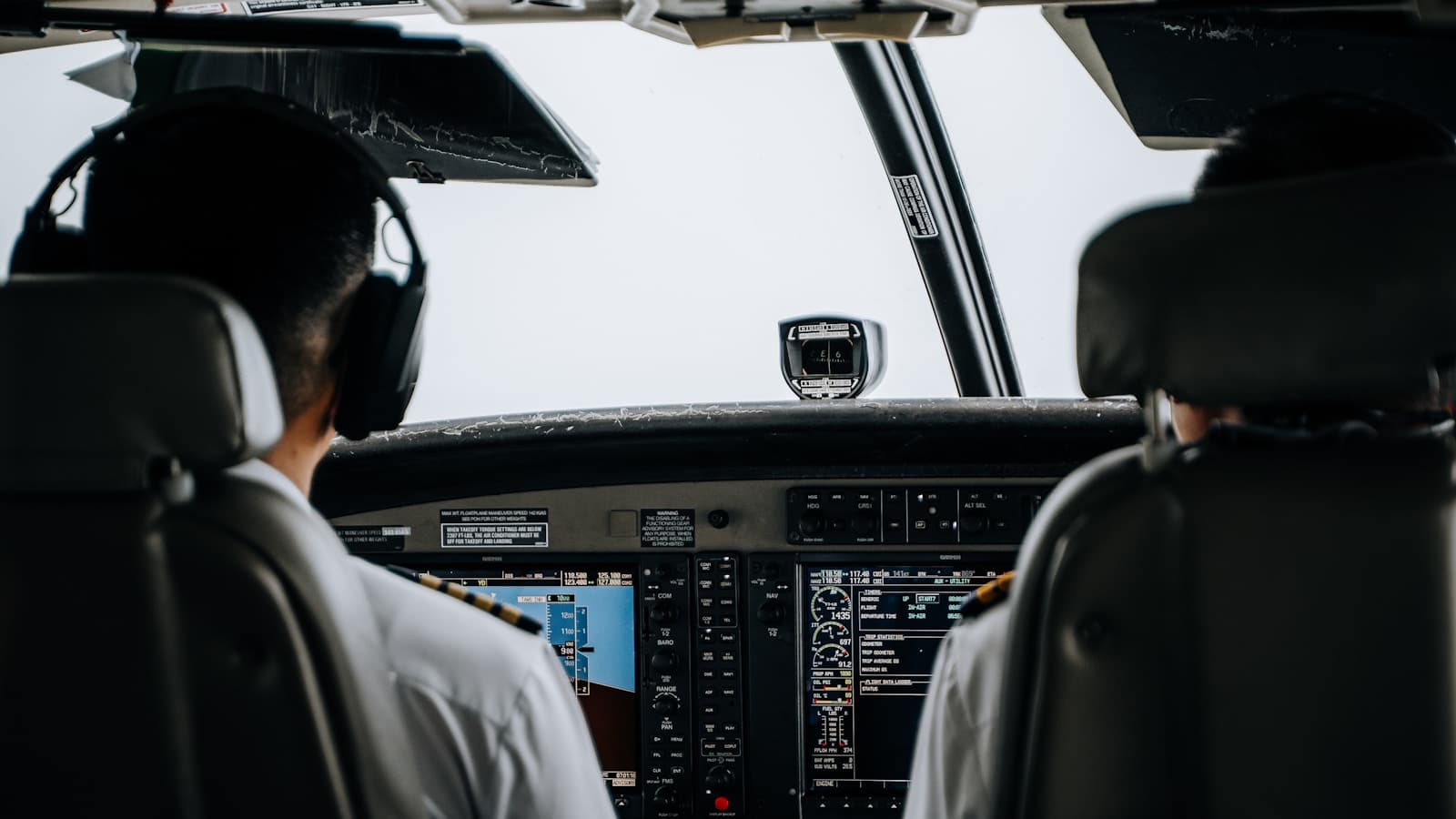
The FAA sets 40 flight hours as the legal minimum for a Private Pilot License, but almost nobody finishes in 40. Most students need 60-75 hours in practice, and once instructor time and aircraft rental are added in, total training cost commonly lands between $10,000 and $15,000. Because a pilot's license is a one-time cost, this calculator weighs the total training cost you enter against roughly three months of your budget rather than a single month's income.
These key factors affect pilot's license affordability
Total cost depends heavily on aircraft rental rates and how many hours you actually need
The $12,000 default reflects that realistic middle ground rather than the bare FAA minimum. Aircraft rental runs roughly $150-$250 an hour, instructor time is billed separately, and ground school plus the checkride add more on top. A student who flies consistently, say twice a week rather than once a month, tends to need fewer total hours and spends less overall, since infrequent flying usually means paying to relearn maneuvers you'd otherwise retain.
A PPL alone doesn't make you a paid pilot
Flying for compensation requires a Commercial Pilot License, which adds another $20,000-$40,000 and, under FAA rules, 190-250 total flight hours depending on whether you train through a Part 141 school or the more common Part 61 path. Airline jobs go further still, requiring 1,500 hours to qualify for an Airline Transport Pilot certificate. If the goal is a career rather than personal flying, treat this training cost honestly: it's the first of several expensive stages, not the whole investment.
Medical certification and currency requirements continue after training
A pilot's license doesn't behave like most one-time purchases. You'll need an FAA medical certificate from an aviation medical examiner, typically $150-$200, renewed anywhere from every year to every five years depending on your age and the class of certificate. A biennial flight review keeps you legal, and if you don't fly regularly, currency requirements mean paying an instructor to requalify you before you can carry passengers again. Budget for the certificate itself, then budget again for staying current.
How to use your results
- Get a real quote from a local flight school, since aircraft rental rates and instructor fees vary significantly by region
- Budget for more than the FAA-minimum 40 hours, since most students need 60-75 hours to complete training
- If the goal is a piloting career rather than a hobby, treat the PPL cost as the first of several stages, not the full investment
- Factor in ongoing medical certificate and currency flying costs even after the license is earned
Ways to make a pilot's license more affordable
- Fly more frequently rather than sporadically, since infrequent lessons often mean paying to relearn skills between sessions
- Consider a flight school using a training aircraft with a lower hourly rental rate, such as a Cessna 152 instead of a newer glass-cockpit model
- Complete ground school through a self-study online course before starting flight lessons to reduce instructor hours needed
- Look into flying club memberships, which often offer lower per-hour aircraft rates than flight schools for members who fly regularly
More career & life changes calculators
Peer comparison data
Bureau of Labor Statistics (median income by age), Experian (credit score by age)
Used by the “how you compare” figures in the sidebar, not by the costs on this page.
Every figure on this site, with its source and the date it was last verified
How you compare
Income
Credit score
Nothing added yet - add something to see your risk.