Ongoing costs
Want the occasional useful email?
New calculators, updated cost data, and the occasional money-saving guide. No account needed, and you can leave any time.
By Alex Diaz · How we calculate this
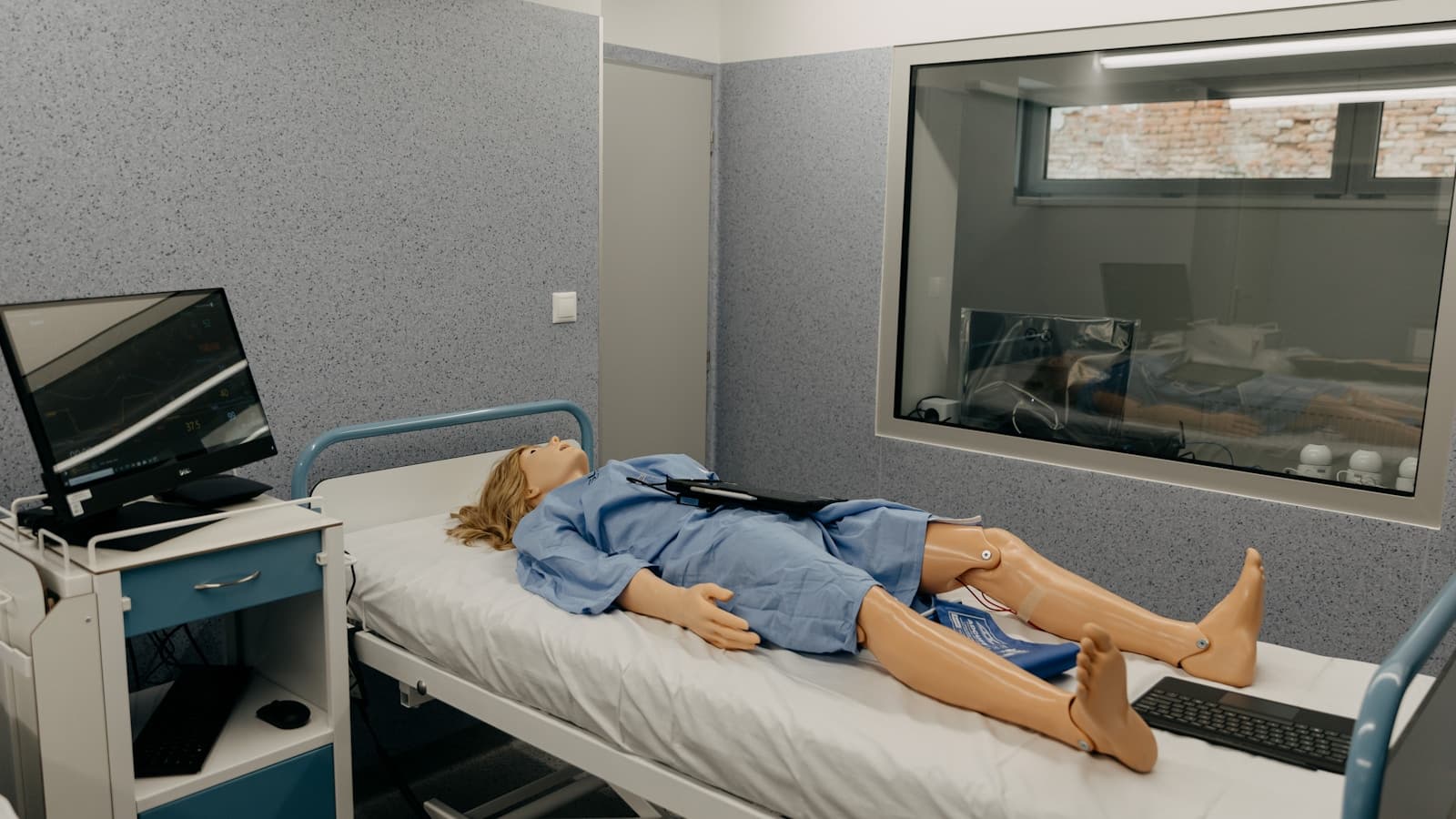
An associate degree in nursing at a community college typically takes two years and can cost as little as $6,000 to $20,000 total, while a four-year BSN at a public university commonly runs $40,000 to $80,000. Because tuition here gets billed monthly rather than all at once, this estimate compares what you enter against your income and any debt already on the books, so you can see how much breathing room is actually left in your budget for the length of the program.
These key factors affect nursing degree affordability
Program type and length
Two years at a community college is usually enough for an associate degree in nursing (ADN), and total cost commonly lands between $6,000 and $20,000. A four-year BSN at a public university runs more, typically $40,000 to $80,000, and if you go the accelerated second-degree route, you can compress that same coursework into 12 to 18 months, though at a noticeably steeper monthly cost. Plenty of nurses split the difference: start cheap with an ADN, get working, then let an actual nursing paycheck fund an RN-to-BSN bridge later.
Housing and clinical rotation demands
Clinical rotations change the math here. In your final year or two, you're often at the hospital most of the day, which makes it hard to hold down steady outside work - so the housing and living expenses line in this estimate carries more weight for nursing students than it does in a lot of other fields. Plan for those months as though your income drops, even temporarily, and you'll sidestep a cash crunch right before graduation.
Licensing costs against strong earning potential
Books, scrubs, and a stethoscope aren't the last of it. Every graduate still has to pass the NCLEX-RN exam and pay state licensing fees, both captured in this estimate's licensing line. The payoff is real, though: registered nurses earn a median annual wage of roughly $86,000, and demand for nurses remains strong nationally, so even a nursing degree financed almost entirely with loans tends to pay for itself within the first few years on the job.
How to use your results
- If the monthly total shows as low risk, you're likely well positioned to finish the program without leaning heavily on loans.
- If it's borderline, compare the cost of an ADN-then-bridge path against a straight BSN, since the ADN route often lowers upfront cost significantly.
- If it's high risk, look at whether a community college ADN program near you has openings, since it can cut total tuition by more than half compared to a university BSN.
Ways to make a nursing degree more affordable
- Apply for hospital-sponsored tuition assistance or loan forgiveness programs, many of which pay for nursing school in exchange for a work commitment after graduation.
- Start with an ADN at a community college and complete an RN-to-BSN bridge later while working as a licensed nurse.
- Look for state and federal nursing scholarships aimed at addressing regional nursing shortages, which are often less competitive than general scholarships.
- Ask your program about buying used scrubs, instruments, and textbooks from graduating students to cut down on the clinical supplies line.
More family & kids calculators
Peer comparison data
Bureau of Labor Statistics (median income by age), Experian (credit score by age)
Used by the “how you compare” figures in the sidebar, not by the costs on this page.
Every figure on this site, with its source and the date it was last verified
How you compare
Income
Credit score
Nothing added yet - add something to see your risk.