Want the occasional useful email?
New calculators, updated cost data, and the occasional money-saving guide. No account needed, and you can leave any time.
By Alex Diaz · How we calculate this
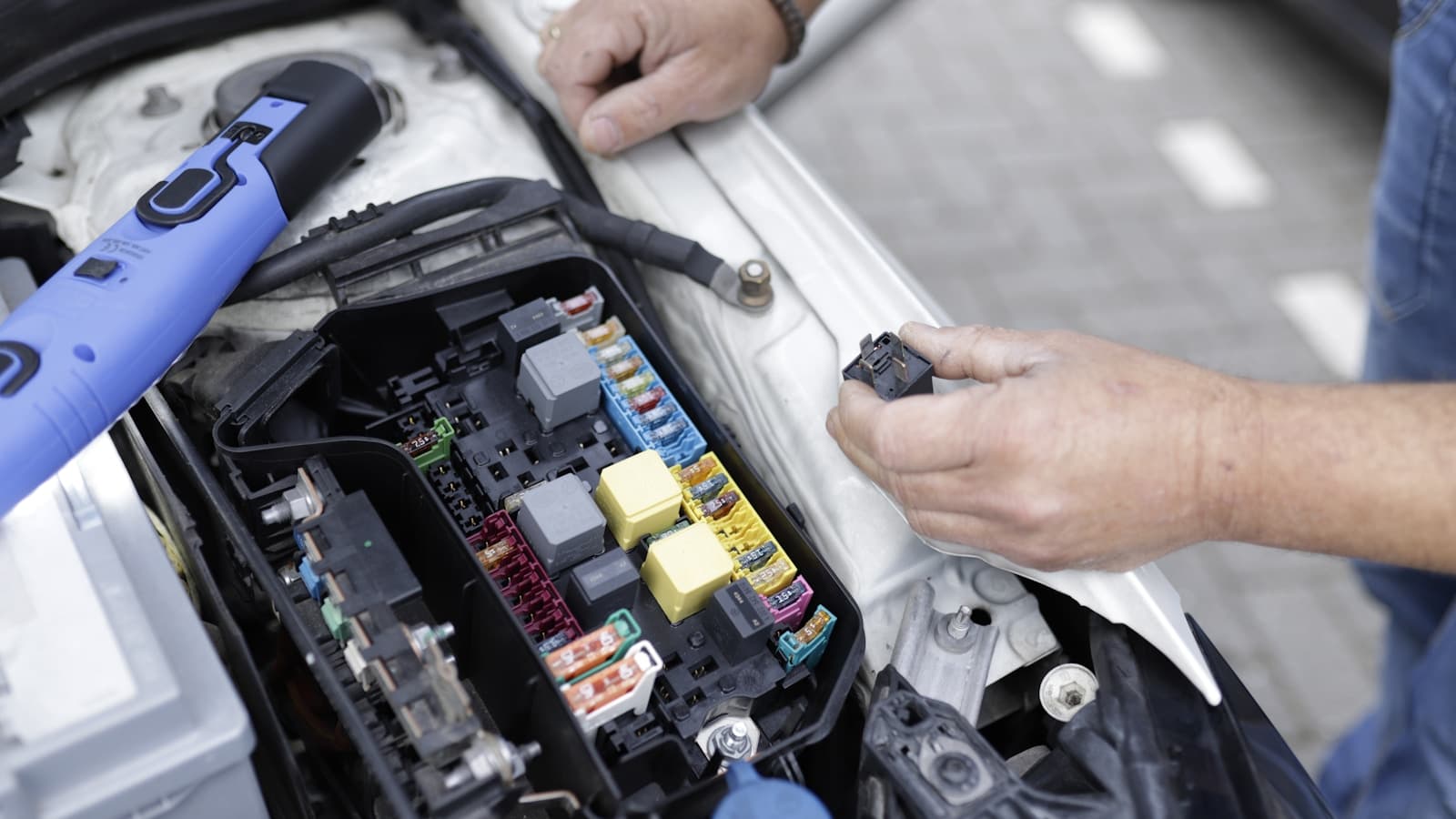
Very few repairs test the line between fixing a car and just replacing it the way a full engine job does. Labor alone runs 10 to 20 hours before a single part goes in, and that's before you've even chosen between a used engine, a remanufactured one, or new.
These key factors affect new engine affordability
Replacement type
A used engine pulled from a salvage vehicle with reasonable mileage on it is the cheapest path, typically $1,500 to $4,000 installed. Remanufactured engines split the difference: rebuilt to factory specs with new wear parts and usually backed by a warranty, they run $4,000 to $7,000. Go with a brand-new crate engine straight from the manufacturer and the price climbs past $8,000, sometimes north of $10,000 once it's actually sitting in the car.
Labor intensity
Labor is often close to half the total bill on an engine job, and it's easy to see why once you picture everything that has to come out of the way first - the hood, often the radiator and AC condenser, sometimes the front subframe on transverse-mounted engines. Shops typically bill $1,000 to $2,500 in labor alone, more on vehicles where the engine bay is tightly packed.
Whether it's worth it
A lot of independent mechanics use a simple rule before recommending this repair: if the cost is going to run around half the car's current market value or more, it's usually smarter to put that money toward a different car instead. Pull the vehicle's trade-in value before agreeing to any engine work, especially on an older car that probably has other deferred maintenance stacking up behind it.
How to use your results
- If your score is risky, get quotes for both a used engine and a remanufactured one - the price gap is often large, and a quality low-mileage used engine can be a reasonable middle ground.
- Compare the total repair cost to your car's current market value; if it's close to or exceeds that value, redirecting the money toward a different vehicle may be the safer financial move.
- Ask your mechanic whether the failure is isolated, like a blown head gasket, versus catastrophic, like a spun bearing, since some 'new engine' situations are actually cheaper partial repairs in disguise.
Ways to increase how affordable a new engine is
- Source a used engine yourself from a reputable salvage yard with a mileage and compression report, and pay your mechanic for labor only, which can cut the total cost substantially.
- Ask about warrantied remanufactured engines through independent shops, which are often priced below dealership remanufactured units with comparable coverage.
- Check whether a partial repair, like a head gasket or timing component, can resolve the issue before assuming a full replacement is required.
- If the car is otherwise in good shape, ask the shop about payment plans - many repair shops offer third-party financing for repairs over $2,000-$3,000.
More vehicles calculators
Peer comparison data
Bureau of Labor Statistics (median income by age), Experian (credit score by age)
Used by the “how you compare” figures in the sidebar, not by the costs on this page.
Every figure on this site, with its source and the date it was last verified
How you compare
Income
Credit score
Nothing added yet - add something to see your risk.