Ongoing costs
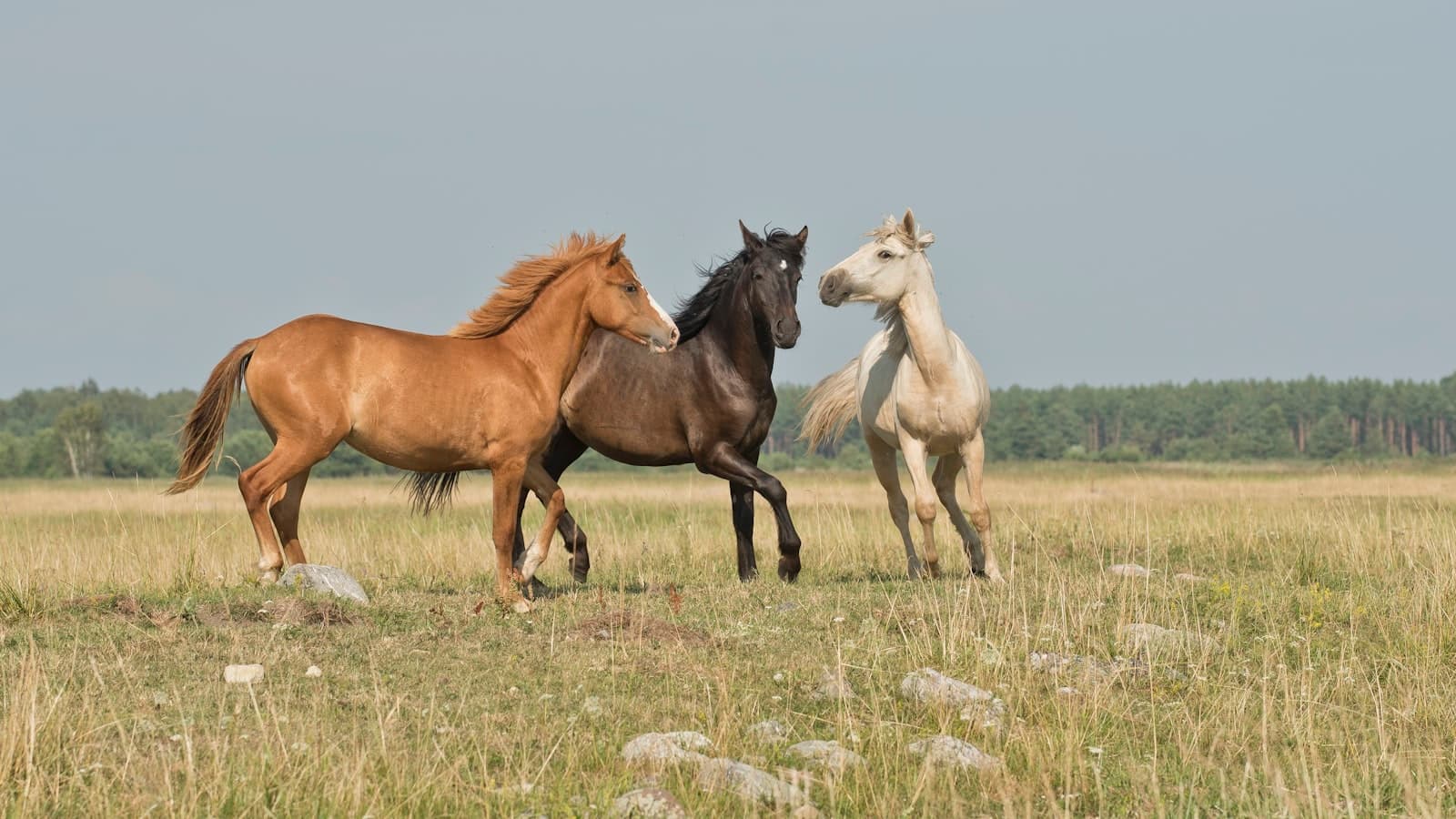
Horses aren't a purchase so much as a standing monthly commitment, closer to a second rent payment than a piece of gear you buy once and move past. That's why your estimate weighs the monthly amount you enter against your income and any existing debt, showing how much room a horse would leave in your budget month after month rather than checking it against a single price tag.
These key factors affect the cost of owning a horse
Income and expenses
Horses are one of the more expensive pets to keep, month over month rivaling a car payment or more. It's worth weighing the number you enter against your income and existing debt with the same seriousness you'd give any other large recurring bill, because that's really what this is.
Boarding
Where you keep the horse usually decides the total more than anything else on this list. Full-service boarding, where the barn handles feeding, turnout, and stall cleaning, costs the most but takes the least of your own time. Self-care boarding trades a lower bill for daily chores you do yourself, and keeping the horse on your own property cuts the boarding line entirely but adds fencing, shelter, and pasture upkeep in its place. Prices within the same tier can still swing widely by region, so it's worth calling a few local barns rather than assuming a national average applies to you.
Feed and routine care
Hay and grain are recurring costs unless your board fee already bundles them in, and hay prices in particular can spike when a drought tightens the local supply. Farrier visits every six to eight weeks are the other steady line item, whether or not the horse is shod, since hooves need trimming regardless.
Veterinary and emergency costs
Routine vaccinations, deworming, and dental floating are predictable enough to plan around. Colic is the harder one to plan for. It's one of the most common reasons horses end up in emergency surgery, and a case that requires surgical treatment can run into five figures once hospitalization is included. Equine mortality and major medical insurance exists specifically to soften that risk, and it's worth pricing out even if you ultimately decide against it.
Tack, equipment, and lessons
A new saddle alone can run well over a thousand dollars, though a good used one holds its value and is a common way to keep this line item down. Blankets, grooming supplies, and a first aid kit round out the rest of the upfront gear. If lessons or training are part of your plan, budget for them as an ongoing monthly cost, not a one-time expense, since that's really what they become.
How to use your results
Try a few different monthly estimates depending on your setup:
- With full-service boarding versus keeping the horse on your own property.
- With and without regular lessons or training, if that's part of your plan.
- With a cushion built in for farrier visits, dental work, and the occasional vet call.
- Alongside your existing debt, for a realistic sense of what's actually left over.
Ways to make horse ownership more affordable
- Compare boarding options carefully - self-care or co-op boarding can cost much less than full-service barns, at the cost of more of your own time.
- Look into equine insurance to cap the risk of a large, unplanned vet bill.
- Buy hay and supplements in bulk or split costs with other owners at the same barn where possible.
- Budget separately for farrier and dental visits so they don't come as a surprise every few weeks or months.
More pets calculators
Sources
Bureau of Labor Statistics (median income by age, shown in the sidebar), Experian (credit score by age, shown in the sidebar) - starting points to compare against, not real-time quotes.
Nothing added yet - add something to see your risk.