Ongoing costs
Want the occasional useful email?
New calculators, updated cost data, and the occasional money-saving guide. No account needed, and you can leave any time.
By Alex Diaz · How we calculate this
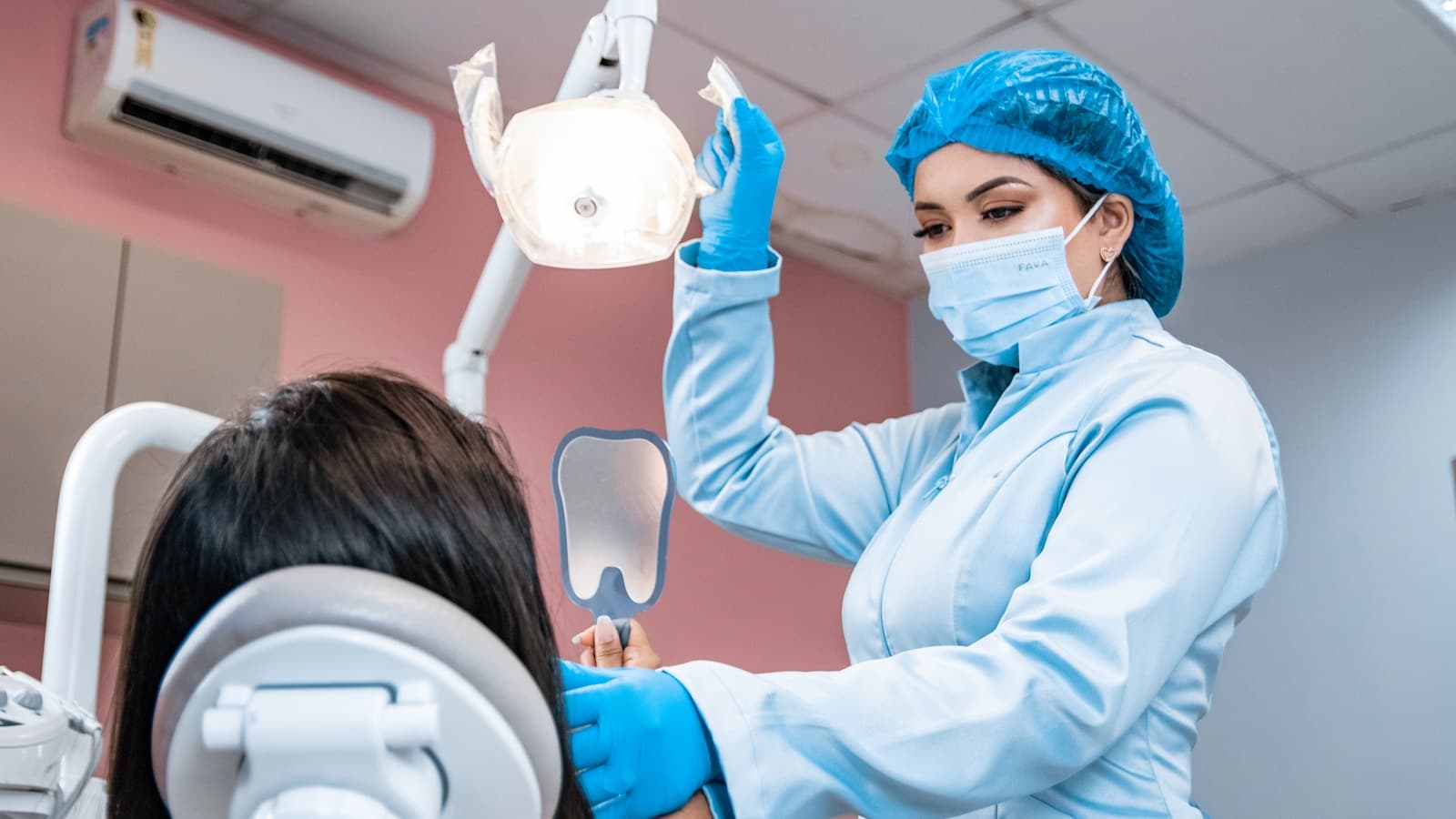
Dental hygiene programs are typically two-year associate degrees, occasionally stretched to three, and nearly all of them require CODA accreditation before a graduate can sit for licensing exams. Total tuition at a public community college usually lands between $30,000 and $60,000, driven less by academics than by a hard physical limit on clinical seats - a program can only take as many students as it has dental chairs and supervising faculty to go around.
These key factors affect dental hygiene degree affordability
Program selectivity and length
A dental chair and a faculty member to supervise it are the real bottleneck, not classroom space, so even large community colleges often admit fewer than 30 hygiene students a year. In impacted states like California and Texas, that scarcity means qualified applicants routinely wait one to three years for a seat, using the time to knock out prerequisite science courses and rack up dental office shadowing hours. The payoff for the wait is a program that's genuinely short once you're in: two years full-time is standard, occasionally three if a school builds in a bridge year for prerequisites.
Clinical supplies and uniforms
Hygiene students see real patients under supervision starting as early as their first clinical semester, so the instrument kit isn't something you can put off buying the way you might delay a laptop upgrade. A personal set of scalers and curettes, loupes with a headlight, and several sets of scrubs commonly runs a few thousand dollars, and most programs want it in hand, in full, before the first clinical rotation begins.
Licensing exams and return on cost
Licensure means passing the National Board Dental Hygiene Examination, a written test, plus a regional or state clinical board such as WREB or CDCA that evaluates real patient care on a live patient brought in for the exam. Each board carries its own fee and often its own travel to a testing site. It's a grueling final stretch, but the return shows up fast: the Bureau of Labor Statistics puts median hygienist pay close to $90,000 a year, high enough relative to the degree's cost that most graduates are debt-free from the program well before workers in allied health tracks with pricier degrees and lower starting pay.
How to use your results
- If the monthly total shows as low risk, you're likely in good shape to finish without major loan reliance.
- If it's borderline, check whether your state's community college system has a lower-cost dental hygiene program, since public in-state tuition varies widely by school.
- If it's high risk, ask about part-time or evening cohort options, which some programs offer to let students keep working during the didactic (non-clinical) coursework.
Ways to make a dental hygiene degree more affordable
- Apply to public community college programs first, since tuition is typically a fraction of private dental hygiene schools for the same license.
- Look into dental practice or dental school sponsorship programs that cover tuition in exchange for a post-graduation work commitment.
- Buy instrument kits and loupes secondhand from recent graduates through program alumni networks or dental supply resale groups.
- Apply for allied health scholarships specifically earmarked for dental hygiene students, which tend to draw fewer applicants than general nursing or pre-med scholarships.
More family & kids calculators
Peer comparison data
Bureau of Labor Statistics (median income by age), Experian (credit score by age)
Used by the “how you compare” figures in the sidebar, not by the costs on this page.
Every figure on this site, with its source and the date it was last verified
How you compare
Income
Credit score
Nothing added yet - add something to see your risk.