Want the occasional useful email?
New calculators, updated cost data, and the occasional money-saving guide. No account needed, and you can leave any time.
By Alex Diaz · How we calculate this
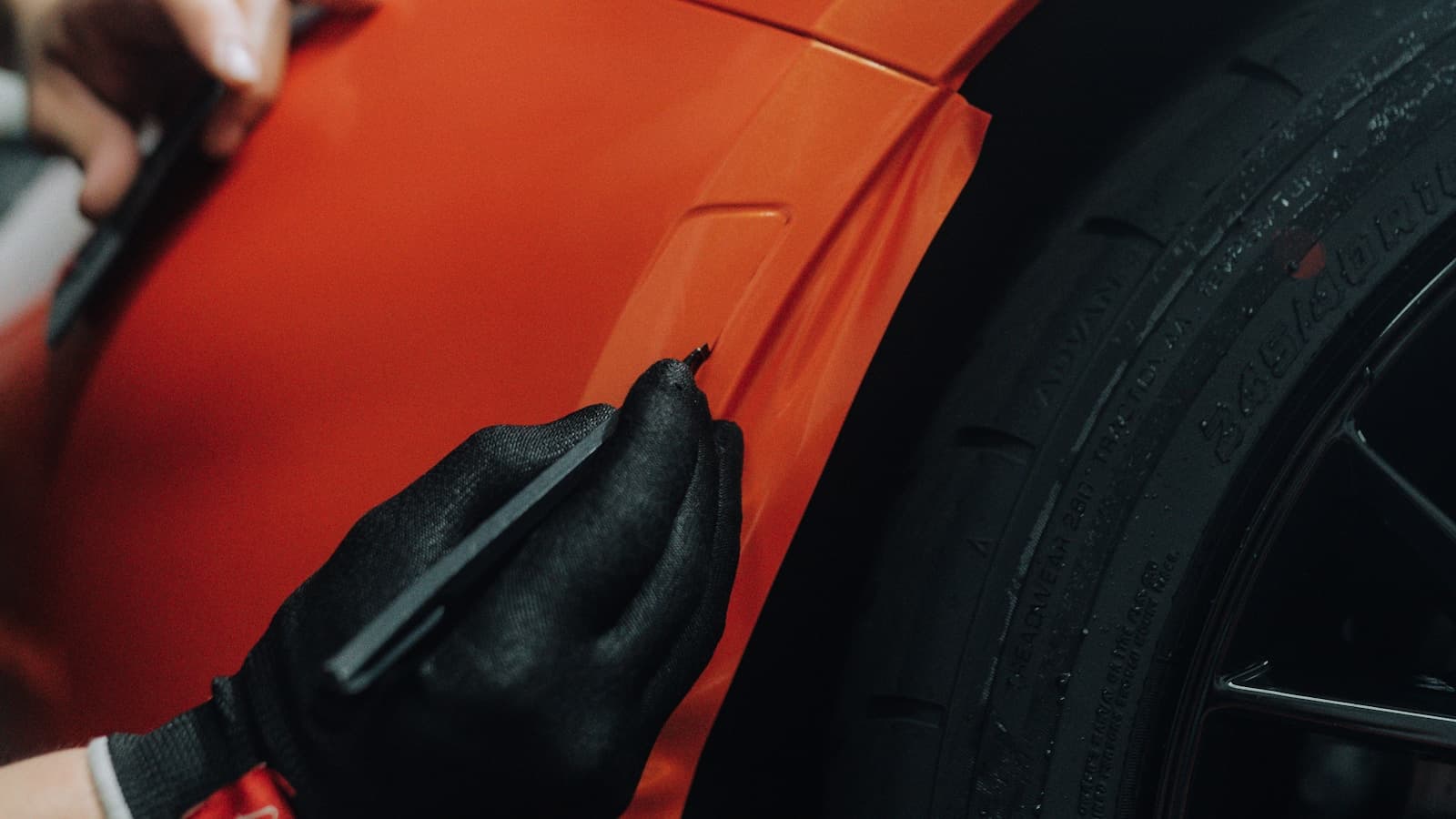
Vinyl wraps have gotten good enough that a wrapped car often gets mistaken for a factory paint job. The tradeoff is time - most wraps need to come off within 5 to 7 years, before the adhesive starts baking into the clear coat underneath, so this is a temporary look with an expiration date, not a permanent upgrade.
These key factors affect car wrap affordability
Wrap type and coverage
A full color-change wrap on a mid-size car runs $2,500 to $5,500 depending on the vinyl and the shop doing the install. Wrapping just the roof, hood, or a handful of accent panels is a different budget entirely, usually $500 to $1,500, and gets most of the visual impact for a fraction of the price. For a business vehicle, a branded wrap can sometimes be written off as an advertising expense, which helps the math if marketing spend was already in the plan.
Vinyl quality and finish
Cast vinyl is what most color-change and printed wraps use, and it costs more than calendared vinyl but holds up for 5-7 years instead of 2-3. Chrome, satin, and matte finishes all sit above standard gloss in price - chrome especially, since it's harder to install without visible seams showing.
Removal and total cost of ownership
Nobody budgets for taking a wrap off, but removal runs $300 to $800 and needs to happen before the film starts damaging the paint underneath it. Done right, a wrap actually protects the factory finish while it's on and comes off without harming it, unlike a repaint - but only within that 5-7 year window. Wait too long and removal gets a lot messier and more expensive.
How to use your results
- If your score comes back risky, look at partial wraps like the roof, hood, or mirrors instead of a full color change - they cost a fraction as much and still refresh the car's look.
- Get quotes from at least two installers, since labor rates for wrapping vary widely by region and experience, and a poorly installed wrap often means a costly redo.
- Remember a wrap is cosmetic rather than protective the way paint protection film is, so weigh whether the cost matches the value you're getting given the vehicle's actual condition.
Ways to make a car wrap more affordable
- Choose calendared vinyl instead of cast vinyl if you don't need the wrap to last more than a couple of years - it costs noticeably less.
- Wrap only the panels that need it most, like a faded hood or roof, rather than paying for full coverage.
- Time the install for an installer's slow season, typically winter in colder climates, when shops may lower rates to fill their schedule.
- Skip specialty finishes like chrome or textured wraps, which carry the highest material costs, and stick with standard gloss or matte colors.
More vehicles calculators
Peer comparison data
Bureau of Labor Statistics (median income by age), Experian (credit score by age)
Used by the “how you compare” figures in the sidebar, not by the costs on this page.
Every figure on this site, with its source and the date it was last verified
How you compare
Income
Credit score
Nothing added yet - add something to see your risk.